
Socialist law
Legal system in communist states, based on civil law with Marxist–Leninist ideology.

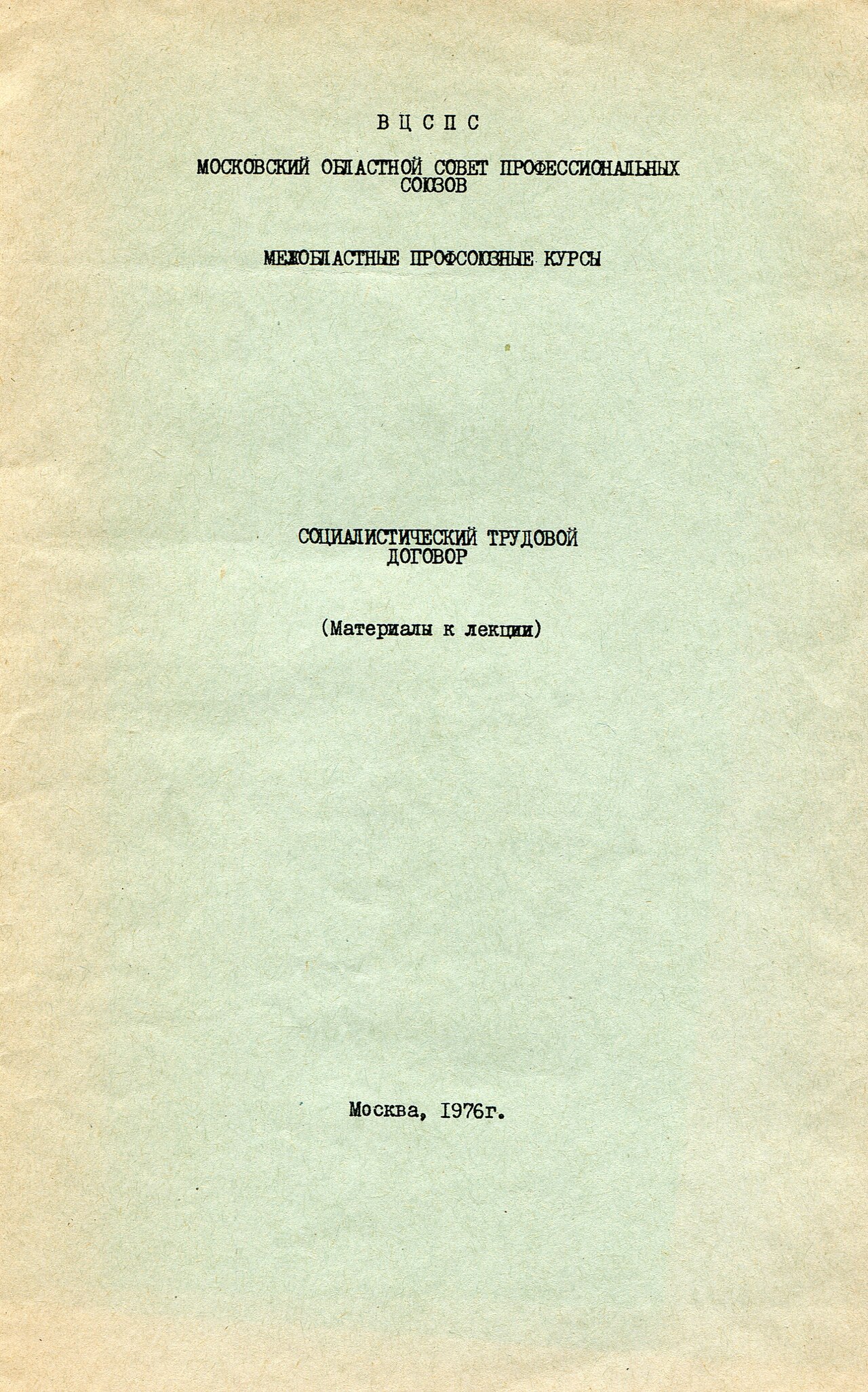
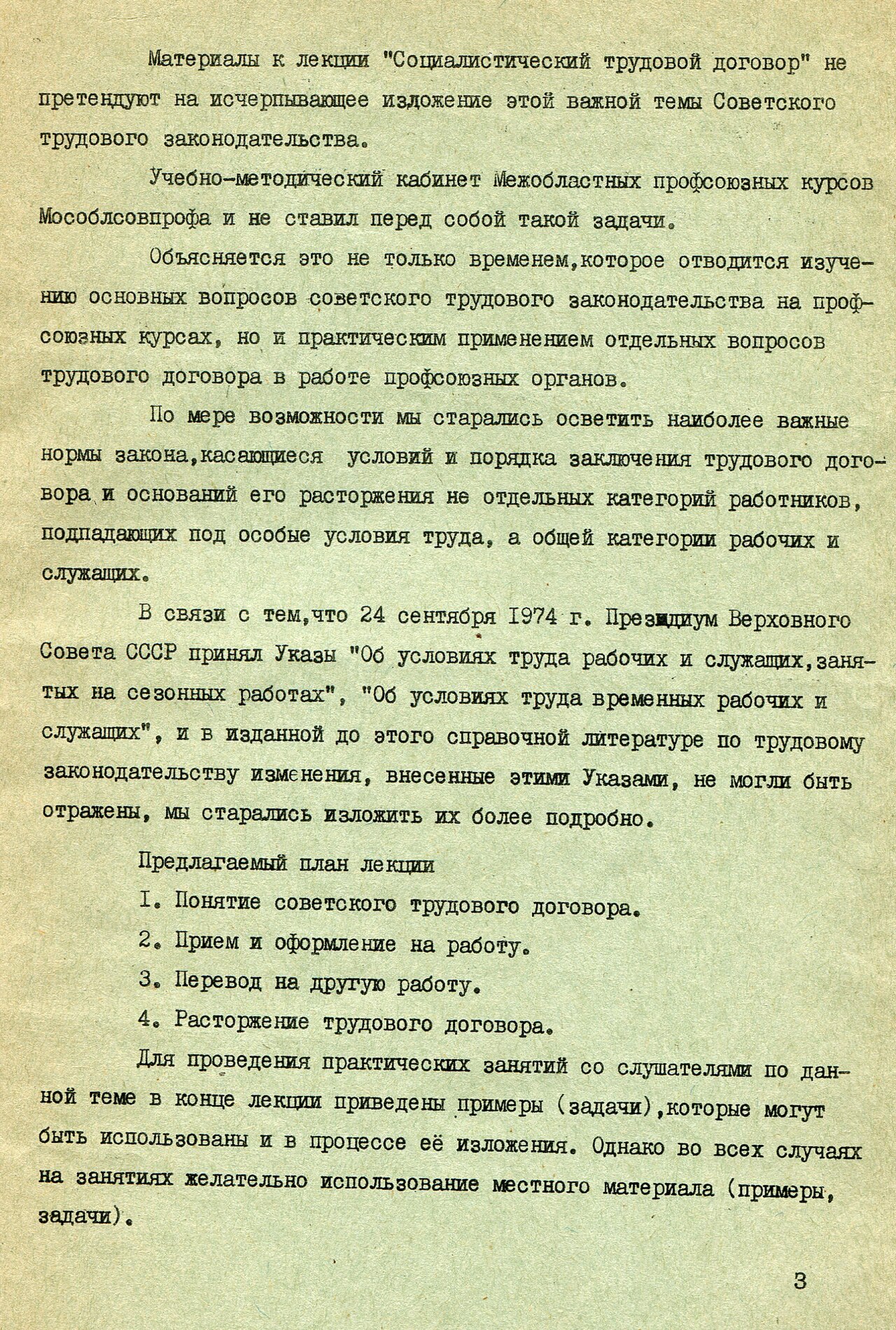
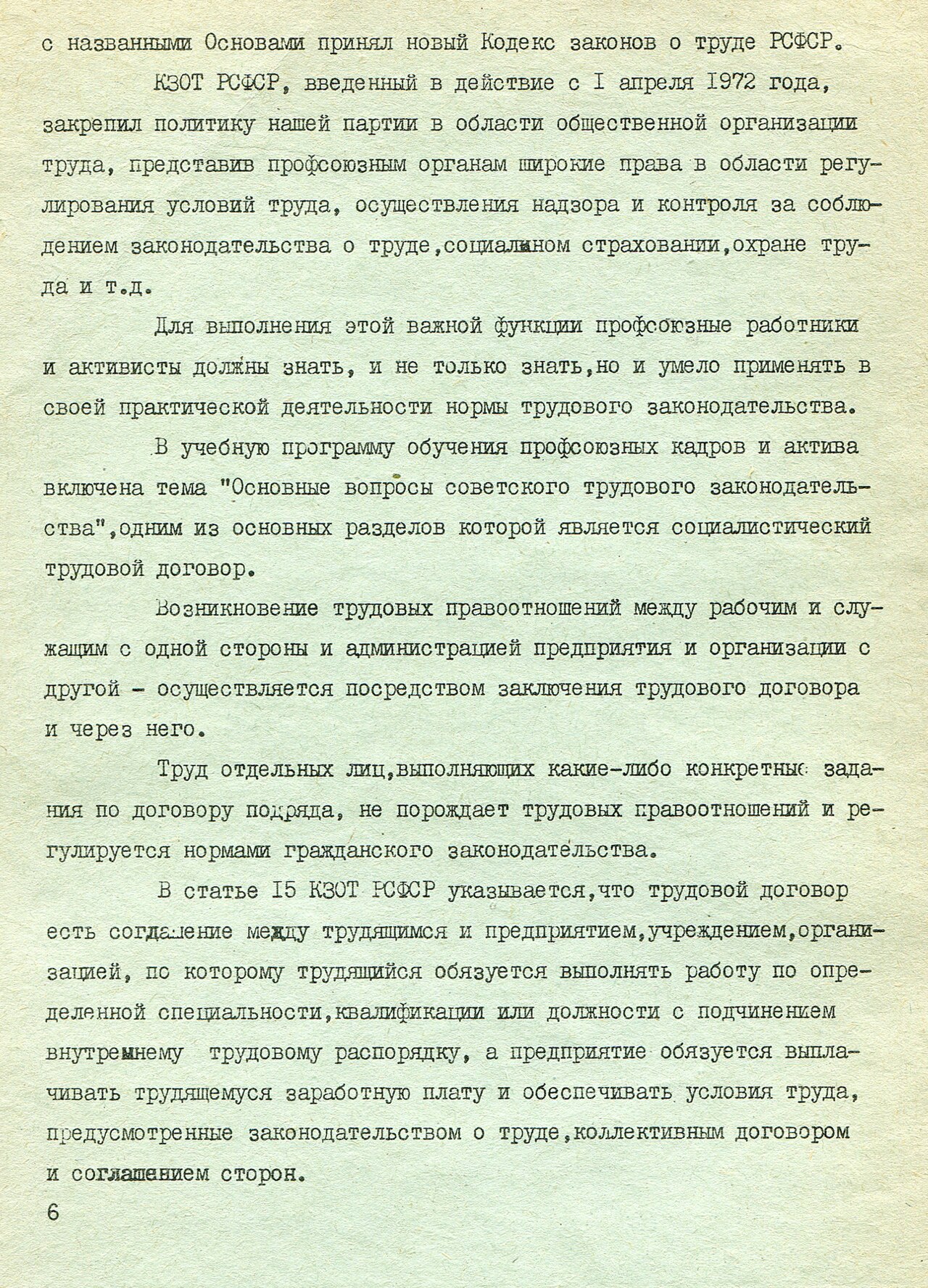
Scanning Dmitry Makeev , scan date - 2020 year. · Public domain
Socialist law, also referred to as Soviet law, is a type of legal system used in communist and formerly communist states. It is based on the civil law system with major modifications from Marxist–Leninist ideology, and its supreme state organ of power (SSOP) stands above the constitution, with the judiciary and procuratorial organs working under its leadership. There is controversy as to whether socialist law ever constituted a separate legal system, though prior to the end of the Cold War it was sometimes ranked among the major legal systems of the world.
- field
- Comparative legal studies
- known_for
- Legal system in communist states with SSOP above constitution, based on civil law with Marxist–Leninist modifications
- characteristic_traits
- Greatly increased public law sector, extensive social warrants, lack of adversarial judicial process, abolition of private property, subordination of judiciary to Communist Party
- controversy
- Whether socialist law constituted a separate legal system or a particular case of Romano-Germanic civil law
Lore & Background
Socialist law emerged from Marxist–Leninist ideology, with early Soviet theorists like Vladimir Lenin accepting the Marxist conception of law as an instrument of coercion. Early proponents included Pēteris Stučka, Dmitry Kursky, and Nikolai Krylenko, while Evgeny Pashukanis represented a more critical trend. Under Joseph Stalin, a dictatorial trend led by Andrey Vyshinsky saw justice administered mainly by security police in special tribunals. During de-Stalinization under Nikita Khrushchev, a new trend of socialist legality stressed procedural and statutory rights, though dictatorial and utopian trends persisted. By late 1986, the Mikhail Gorbachev era renewed emphasis on individual rights and criticized violations of procedural law.
Reader's Guide
Socialist law's significance lies in its role as a distinct legal category in comparative studies, though its status as a separate system is disputed. Many scholars argue it was not separate, noting that the Soviet Union always had a civil code and civil law reasoning analogous to French or German systems, preserving formal criteria of Romano-Germanic civil law. A 2016 article by William Partlett and Eric Ip argues socialist law remains useful for understanding 'Russo-Leninist transplants' in China's current system, particularly its distinctive public law institutions. The system is characterized by a greatly increased public law sector, extensive social warrants (e.g., rights to a job, free education, healthcare), lack of adversarial judicial process, abolition of private property, and subordination of the judiciary to the Communist Party. Specific institutions included burlaw courts (courts of comrades) for minor offenses. In China, the concept of 'socialist rule of law with Chinese characteristics' was formally adopted in 2014, with Xi Jinping emphasizing traditional Chinese concepts and the requirement that political and legal organs believe in and uphold the law while following the CCP.
Did You Know?
- Socialist law is based on the civil law system with major modifications from Marxist–Leninist ideology.
- There is controversy as to whether socialist law ever constituted a separate legal system.
- A specific institution characteristic to Socialist law was the comrades' court (tovarishcheskiy sud) which decided on minor offences.
- In China, the CCP formally adopted a policy of constructing a 'socialist rule of law with Chinese characteristics' in 2014.
Gallery

Frequently Asked Questions
What is Socialist law?
Socialist law, frequently called Soviet law, is the legal framework that governed communist and formerly communist states. It takes the civil-law tradition as its base but reshapes it through Marxist–Leninist ideological principles, producing a system with a heavily expanded public-law sector and no private property.
How does Socialist law differ from ordinary civil law?
The key breaks include the outright abolition of private ownership, the removal of adversarial courtroom proceedings, and the explicit subordination of courts and procuratorial organs to the Communist Party. Where civil law treats the constitution as the supreme legal act, Socialist law places the ruling party's collective body above it.
What role does the SSOP play in the Socialist legal hierarchy?
The Supreme State Organ of Power occupies the very top of the legal order, standing above the constitution so that no statutory text can override its decisions. All judicial and prosecutorial functions operate under its direct leadership rather than under independent constitutional authority.
Is Socialist law universally recognized as a separate legal system?
Comparative legal scholars still debate the question: some treat it as a distinct fifth major system, while others see it as a particular variant of the Romano-Germanic civil-law family. During the Cold War it was commonly ranked alongside other great legal traditions, but that standing has been challenged since the 1990s.
What happened to Socialist law after the Cold War ended?
The collapse of communist regimes in the late 1980s and 1990s triggered sweeping legal reforms that dismantled the core features—party control of courts, SSOP supremacy, and the absence of private property. Most former socialist states adopted civil-law or hybrid systems modeled on Western European traditions, effectively ending Socialist law as a living legal order.
More in International Law & Diplomacy 1-24
Spotted an error? Know more?
This is a living reference — every entry is fact-audited, and reader corrections feed straight into our audit queue. Suggest an edit · See this site's audit record