
Ratification
Legal confirmation of an agent's act or consent to a treaty.

MarginalCost · CC BY-SA 4.0
Ratification is the legal confirmation by a principal of an action taken by its agent. In international law, it refers to the formal process through which a state signals its agreement to be legally bound by a treaty. This process gives states time to secure domestic approval for the treaty and to pass any necessary laws to make it effective at home. The concept appears in private contract law, international treaties, and the constitutions of federal nations like the United States and Canada, and it also plays a role in parliamentary procedure within deliberative assemblies.
In contract law, ratification becomes relevant in two main situations: when an agent makes a deal without having the authority to bind the principal, and when the principal authorizes an agent to negotiate but keeps the final say. For example, if an employee who does not normally handle procurement orders supplies on the employer’s behalf, the employer can later choose to ratify or reject that contract. The second situation is common in union collective bargaining: the union authorizes negotiators to reach an agreement with management, but that agreement only becomes legally binding once the union members vote to ratify it. If members reject it, the deal is void and talks restart.
In parliamentary procedure, a deliberative assembly can ratify an action that was not originally valid. For instance, decisions made at a meeting without a quorum become valid only after being ratified at a later meeting that does have a quorum.
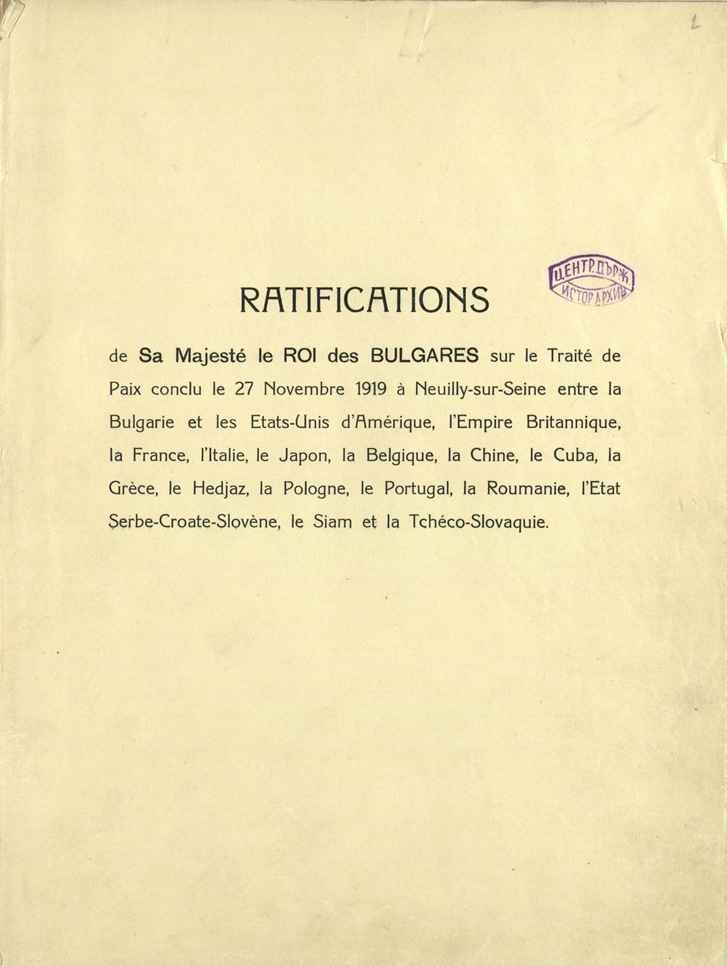
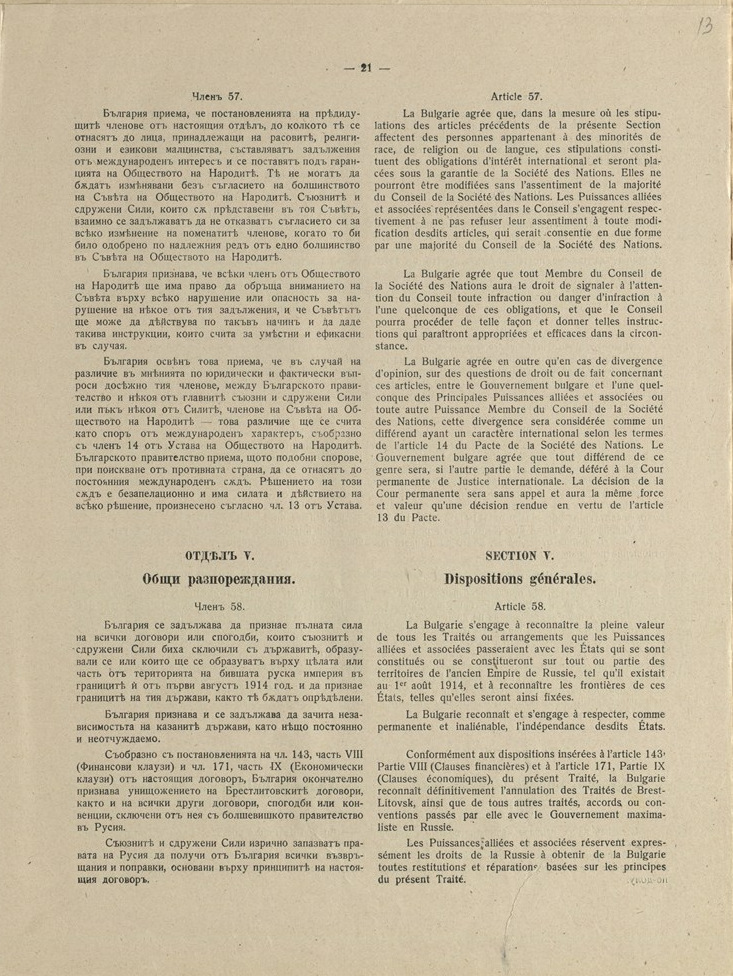
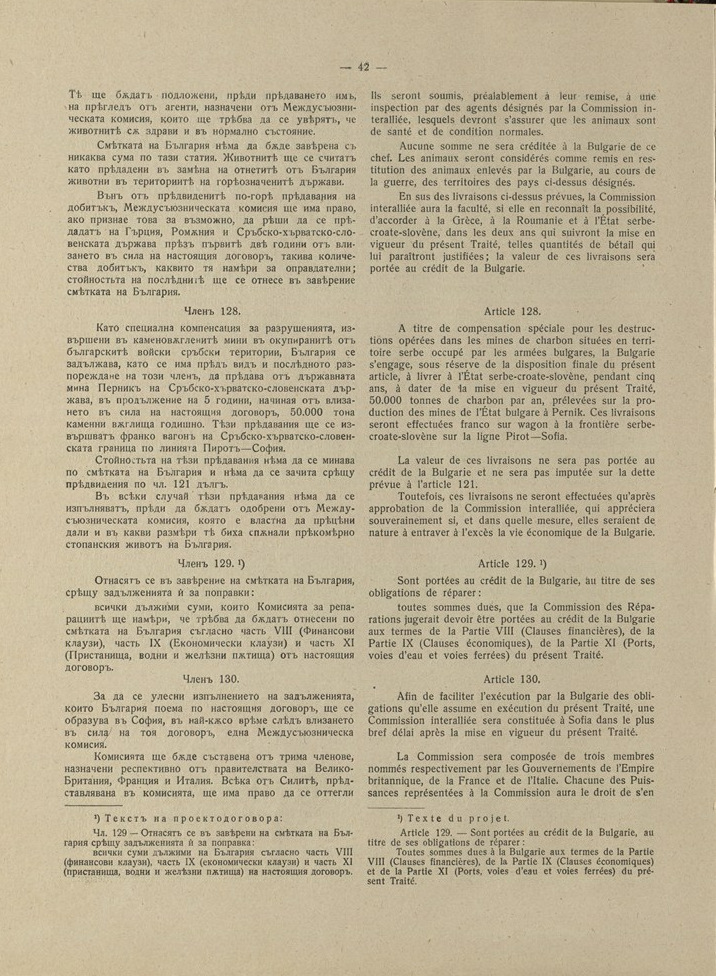
For international treaties, ratification always involves filing instruments of ratification as specified in the treaty. In many democracies, the legislature authorizes the government to ratify treaties by passing a bill through standard legislative procedures.
In Australia, treaty-making is an executive power under Section 61 of the Constitution, so the government can enter a binding treaty without parliamentary approval. However, most treaties are tabled in parliament for 15 to 20 joint sitting days for review by the Joint Standing Committee on Treaties. If the treaty requires new legislation, both houses must pass that legislation before ratification.
In India, the president makes treaties using executive power, on the advice of the Council of Ministers led by the Prime Minister. No Indian court can question the treaty’s validity, but no agreement is enforceable
- field
- Law, International Relations, Parliamentary Procedure
- applies_to
- Contract law, international treaties, constitutions, deliberative assemblies
- key_mechanism
- Filing instruments of ratification or exchanging requisite instruments
- related_concepts
- Accession, executive agreements, Ponsonby Rule, Treaty Clause
Lore & Background
In contract law, ratification often arises when an agent attempts to bind a principal without authority, or when the principal authorizes an agent but reserves approval. For example, an employee not normally responsible for procurement may contract on the employer's behalf; the employer may ratify or repudiate the contract. In trade union collective bargaining, a union authorizes negotiators, but the agreement is not binding until ratified by union members; if rejected, the agreement is void and negotiations resume.
In parliamentary procedure, a deliberative assembly may ratify action that was not validly taken, such as decisions made without a quorum, which become valid only after ratification at a meeting with a quorum present.
For international treaties, ratification is accomplished by filing instruments of ratification as provided in the treaty. In many democracies, the legislature authorizes the government to ratify treaties through standard legislative procedures. The article details processes in Australia, India, Japan, the United Kingdom, and the United States, noting variations such as the requirement for parliamentary approval, the role of the monarch, or the need for a two-thirds Senate vote.
Reader's Guide
Ratification serves as a critical mechanism in multiple legal domains, ensuring that actions taken by agents or representatives are confirmed by the principal or sovereign body. In international law, it allows states time to secure domestic approval and enact implementing legislation before becoming bound by a treaty. The process varies by country: in Australia, treaties may be entered without parliamentary approval but are typically tabled for scrutiny; in India, the President may make treaties but they are not enforceable if incompatible with national law; Japan requires approval by both houses of the National Diet; the United Kingdom follows the Ponsonby Rule, now statutory, requiring treaties to be laid before Parliament; and the United States requires a two-thirds Senate vote for ratification, though executive agreements offer an alternative. Ratification also applies to constitutional amendments in federations, such as India and the United States, where support from both federal and state governments is required. The concept underscores the balance between executive action and legislative or popular consent, and its absence can render agreements void or unenforceable.
Did You Know?
- In contract law, an employer may ratify or repudiate a contract made by an employee without authority.
- A collective bargaining agreement cannot become legally binding until union members ratify it.
- In the United States, the President may ratify a treaty only after the Senate approves it by a two-thirds vote.
- Accession has the same legal effect as ratification for treaties already negotiated and signed by other states.
Two Decades of Drafting: From ILC to Vienna
The Vienna Convention on the Law of Treaties did not appear fully formed. Its origins stretch back to 1949, when the International Law Commission of the United Nations opened a protracted drafting exercise. Across the following two decades, a succession of special rapporteurs—distinguished international-law scholars including James Brierly, Hersch Lauterpacht, Gerald Fitzmaurice, and Humphrey Waldock—iteratively produced draft articles and accompanying commentaries that steadily refined the instrument's language and architecture. By 1966 the Commission had coalesced around seventy-five draft articles that would anchor the final text. The remaining work was carried out at the Vienna Conference over two sessions in 1968 and 1969, ending with adoption on 22 May 1969 and the opening for signature the following day. Despite that rapid formal adoption, the convention did not enter into force until 27 January 1980, a gap that reflected the time required for enough states to finish their domestic ratification procedures before the treaty could become legally operative.
The Operational Rulebook: Key Articles and Core Principles
Frequently dubbed the 'treaty on treaties,' the VCLT serves as the practical rulebook governing how treaties are formed, interpreted, and amended in international law. At its core, the convention defines a treaty as a written international agreement concluded between sovereign states and governed by international law, while affirming that every state inherently holds the capacity to enter such agreements. Article 1 draws a firm boundary, restricting the convention's reach to written instruments between states and expressly excluding arrangements involving international organizations. The mechanics of consent follow in Article 11, which enumerates the recognized means—ratification, acceptance, approval, and accession—by which a state signals its willingness to be bound. Article 26 codifies the foundational principle of pacta sunt servanda, requiring that valid agreements be honored. Article 53 elevates jus cogens, or peremptory norms, above ordinary treaty obligations, while Article 62 addresses how a fundamental change of circumstances can affect a treaty's continued validity. Article 77, meanwhile, designates the depositary: the entity or individual entrusted with holding a multilateral treaty.
Where the Convention Stops: Scope and Exclusions
The VCLT's jurisdiction is deliberately circumscribed. It applies only to treaties concluded after the convention itself entered into force and only to those concluded between sovereign states. It does not extend to written agreements between a state and an international organization, nor to arrangements between international organizations themselves, unless VCLT rules are independently binding on those bodies. In practice, Articles 2 and 5 do reach treaties between sovereign states and intergovernmental organizations, creating a partial bridge. For the broader category of state-organization and organization-organization agreements, the 1986 Vienna Convention on the Law of Treaties between States and International Organizations or Between International Organizations was drafted to fill the gap, though its entry into force remains a separate question. Even within its stated scope, the convention explicitly excludes unwritten agreements from its purview. The VCLT's state-to-state definition of a treaty has not achieved universal acceptance either: domestic legal systems in various countries may impose additional prerequisites before recognizing an instrument as a treaty, and the exclusion of non-state actors such as international organizations from that definition remains a point of ongoing scholarly and practical debate.
Ratification Landscape and the Notable Holdouts
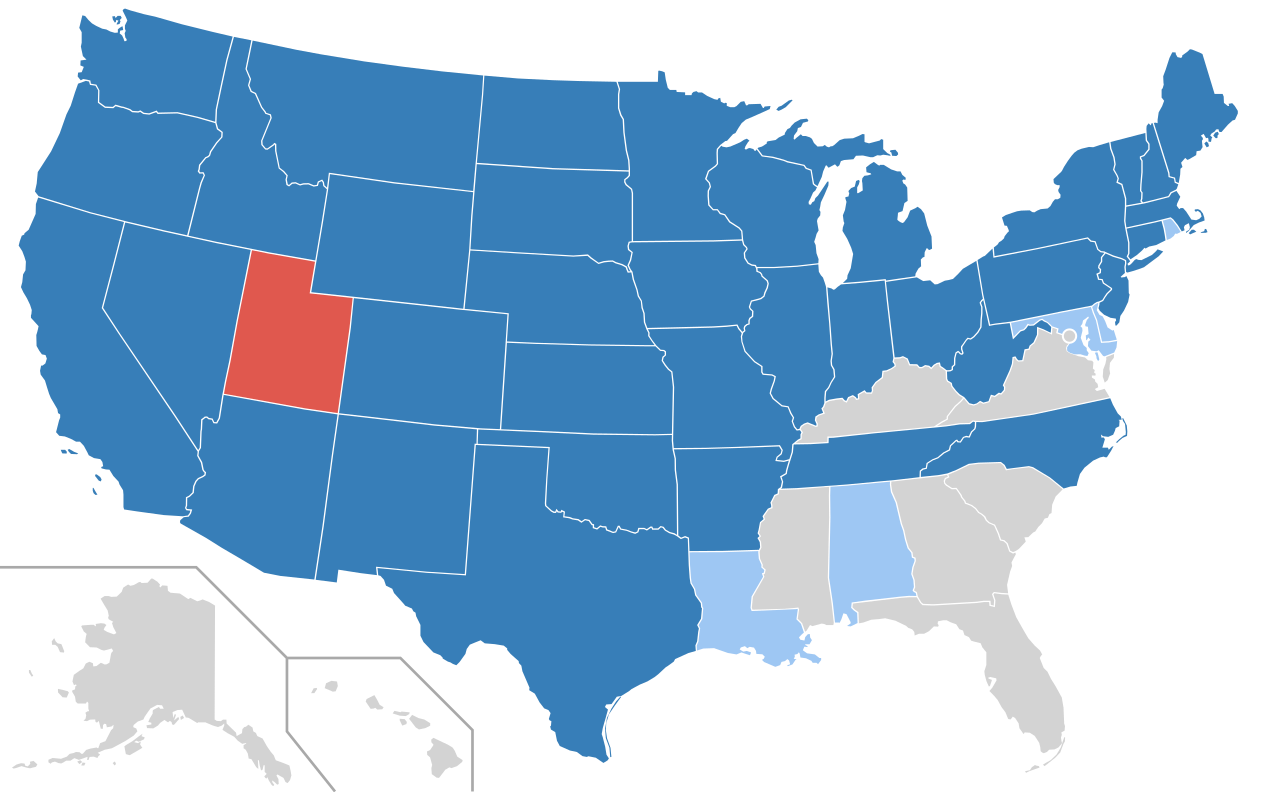
As of May 2026, one hundred and nineteen sovereign states have ratified the VCLT, while fifteen additional states have signed but not yet completed ratification. Sixty-one UN member states fall into neither category, and among large Western European nations only France and Norway occupy that non-party status. France's reluctance is attributed to a desire to preserve negotiating flexibility free from perceived procedural constraints, a belief that the convention's core rules already bind all states through customary international law, and concerns that certain provisions conflict with Articles 52 through 55 of its 1958 Constitution. Norway's position rests on its dualist legal system, which demands explicit domestic incorporation of international obligations, the primacy of its 1999 Human Rights Act and Constitutional Section 115 in treaty implementation, and a view that formal adherence is practically redundant when the norms are already followed as customary law. The United States and India, though not parties, have acknowledged portions of the VCLT as restatements of binding customary international law. A historical footnote involves the Republic of China (Taiwan), which signed the convention in 1970, before the 1971 UN General Assembly vote transferred China's seat to the People's Republic.
Gallery
Frequently Asked Questions
What is Ratification in international law?
Ratification is the formal step in which a state confirms its consent to become legally bound by a treaty it has already signed. It serves as the principal's official approval of the commitment its representative (the signing agent) initially made on the state's behalf.
How does Ratification differ from Accession?
Ratification follows a prior signature and confirms an existing commitment, while accession lets a state join a treaty it never signed at all. Both ultimately bind the state, but accession creates the obligation from scratch rather than confirming a pre-existing one.
What is the actual mechanism by which Ratification is carried out?
A state deposits or exchanges a formal instrument of ratification with the treaty's designated depositary, completing its consent. In multilateral treaties, a set number of ratifications is often required before the agreement enters into force for all parties.
Why does Ratification matter for a country's domestic legal system?
It gives the government a defined window to pass enabling legislation or secure legislative approval before the treaty becomes binding at home. In federal systems such as the United States and Canada, this step ensures the treaty is compatible with the constitution and domestic statutory framework.
How does Ratification relate to executive agreements?
Executive agreements are a lighter, separate mechanism that allow heads of state to commit internationally without going through the full ratification process. They bypass the domestic legislative procedure that ratification typically triggers, making them faster but often carrying less legal weight.
More in International Law & Diplomacy 1-24
Spotted an error? Know more?
This is a living reference — every entry is fact-audited, and reader corrections feed straight into our audit queue. Suggest an edit · See this site's audit record